
Common Manicure Mistakes Beginners Make and How to Avoid Them

Introduction to Manicure Basics
Understanding the fundamentals of manicure techniques is crucial for individuals looking to achieve well-groomed nails. A manicure is not merely a cosmetic enhancement; it serves as an essential self-care practice that contributes to the overall health of your nails and cuticles. Proper nail care can prevent various issues, such as brittleness, discoloration, and fungal infections, which often occur when the basics are overlooked.
For beginners, the journey of mastering manicure skills may be laden with common mistakes. These can range from improper nail file usage to neglecting the sanitation of tools, leading to both subpar results and potential harm to nail health. Frequently, novice enthusiasts are unaware that small oversights, like excessive filing or cuticle clipping, can significantly impact the nails’ condition. For instance, filing nails in a back-and-forth motion rather than in one direction can lead to splits and tears, compromising not only the appearance but also the integrity of the nails.
Additionally, beginners might encounter challenges such as uneven polish application, which can detract from the aesthetic appeal of the manicure. This lack of finesse can stem from inadequate preparation or failure to use the right techniques, both of which can be easily addressed with practice and proper education. Understanding the importance of foundational practices— such as applying base coats, using quality products, and allowing adequate drying time— will elevate any manicure experience.
Equipped with knowledge of these pivotal aspects, beginners can avoid common pitfalls, enhancing both the health and beauty of their nails. This underlines the necessity of learning accurate manicure techniques to ensure that the efforts put into nail care yield the desired results for nail health and presentation. By focusing on these basics, aspiring manicure enthusiasts will set themselves on a path toward success and satisfaction in their nail care routines.
1: Improper Nail Filing Techniques
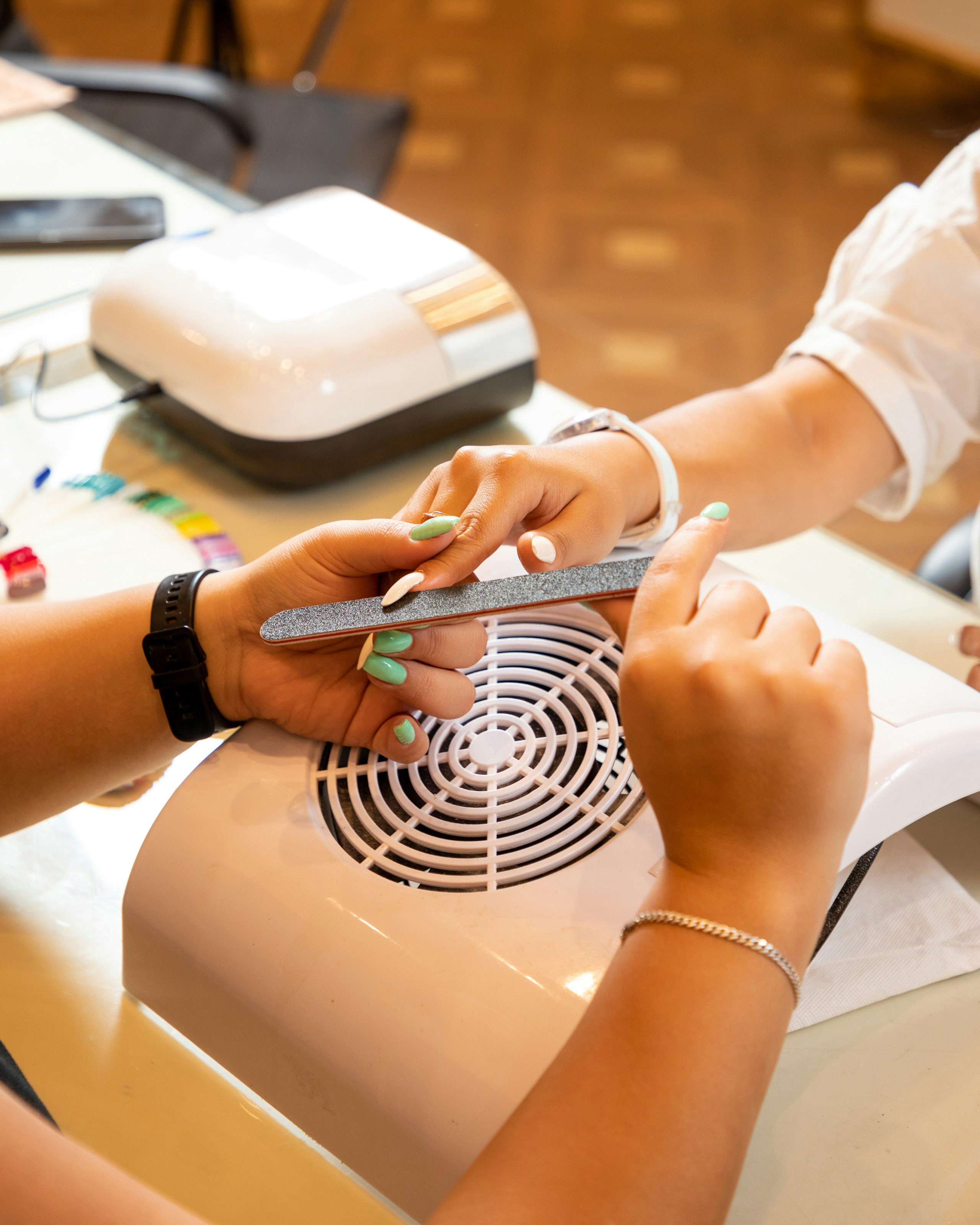
Filing nails may seem like a straightforward task, yet many beginners fall into common errors that can lead to damage or uneven shapes. One prevalent mistake is using the wrong type of nail file. Different materials are suitable for various nail types. For instance, a glass or crystal file is ideal for natural nails as it minimizes splitting and peeling, while a metal file is better suited for acrylic nails due to its coarse texture.
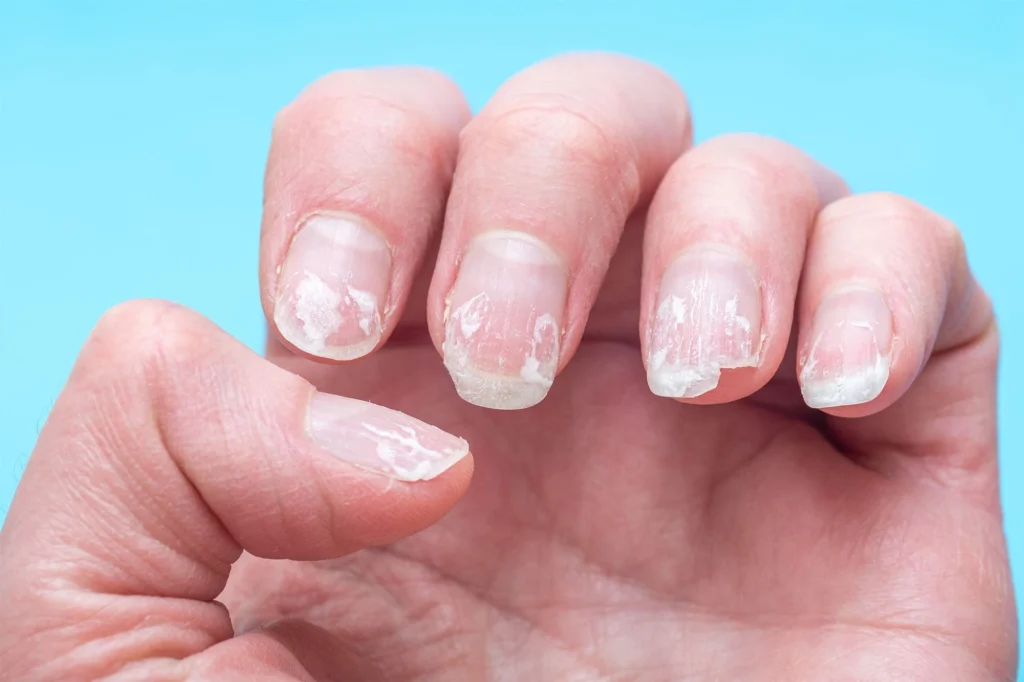
Another frequent error is filing in a back-and-forth motion. This method can create friction, leading to nail weakness and splitting. The correct technique involves filing in one direction, starting from the outer edge towards the center. This approach not only promotes healthier nails but also enhances the overall shape. The aim is to create a smooth edge without causing unnecessary stress to the nail bed.
Additionally, some individuals file their nails when they are wet, often after soaking during a manicure. Filing damp nails can lead to tearing and damage, as they are more pliable. It is advisable to allow nails to dry completely before shaping them. If the nails have been previously soaked, wait until they regain their natural state before proceeding with any filing.
By avoiding these common filing mistakes, beginners can achieve a more polished look while promoting the integrity of their nails. Proper technique not only enhances the appearance of manicured nails but also prevents potential harm, establishing a strong foundation for future nail care. Focusing on using the right tools and techniques will significantly improve the outcome of any manicure.
2: Neglecting Cuticle Care
Cuticles, the thin layer of skin at the base of the nail, play a significant role in nail health and overall appearance. Many beginners mistakenly neglect cuticle care, often viewing it as a minor detail in their manicure routine. However, understanding the importance of cuticle maintenance is vital for promoting healthy nail growth and preventing potential infections.
One common mistake that many inexperienced individuals make is cutting their cuticles too aggressively. This can lead to excessive pain, inflammation, and even permanent damage. Instead of trimming cuticles, it is advisable to gently push them back using a cuticle pusher or an orangewood stick after soaking the nails in warm, soapy water. This method minimizes the risk of injury and enhances the nail’s appearance without compromising cuticle health.
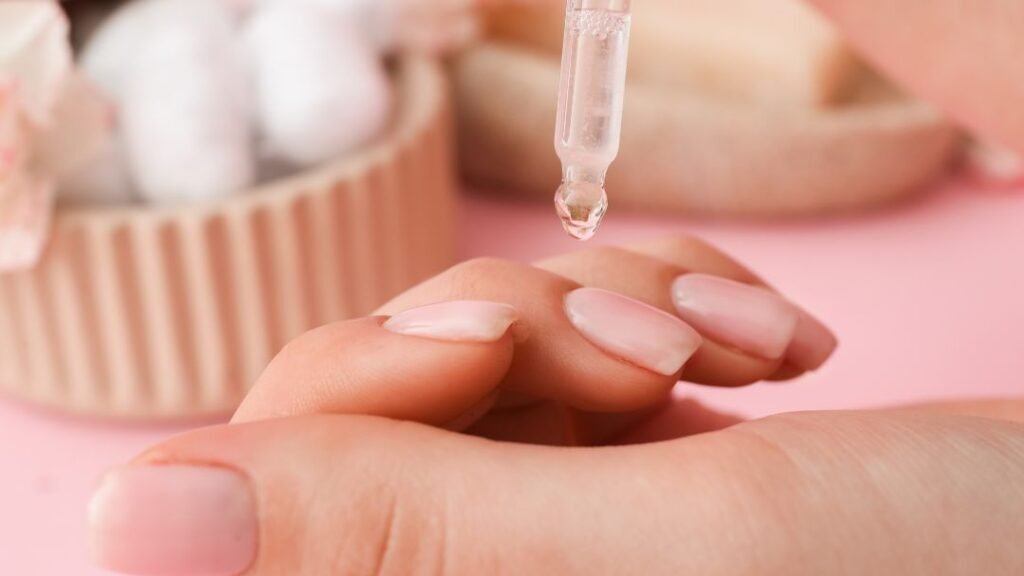
Another pitfall is assuming that cuticle oils or creams are unnecessary. Regular application of these products can help maintain moisture levels in the cuticles, preventing them from becoming dry or brittle. By ensuring that cuticles are well-hydrated, you can effectively promote healthier nail growth and reduce the chances of hangnails—a common issue that arises from neglected cuticles.
Furthermore, practicing good hygiene is crucial. Always use sanitized tools and maintain a clean workspace when performing manicures. Avoid sharing nail tools with others to minimize the risk of transferring bacteria and infections. Remember that healthy cuticles not only enhance the visual appeal of your nails but also serve as a protective barrier against harmful pathogens.
By implementing these cuticle care tips and avoiding common mistakes, beginners can achieve beautifully manicured nails while ensuring the health of their cuticles. Such practices will ultimately contribute to more successful and aesthetically pleasing manicure outcomes.
3: Using Low-Quality Products
One of the most common oversights made by beginners in manicure is the use of low-quality products. This often stems from a misconception that more expensive brands are not worth the investment or that any product advertised as a nail care solution will yield satisfactory results. However, the reality is that the quality of the products used can significantly impact the outcome of your manicure.

Low-quality nail polishes and treatments can lead to several issues, such as streaking, poor adhesion, and a lackluster finish. Cheap polishes may also chip easily, requiring frequent touch-ups and undermining the effort put into achieving a flawless look. Furthermore, harmful chemicals may be present in low-quality products, causing damage not only to the nails but also to the surrounding skin.
When selecting polishes, base coats, and top coats, it is essential to consider reputable brands known for their commitment to quality. Look for products that are free from harmful chemicals such as toluene, formaldehyde, and dibutyl phthalate, commonly referred to as “3-free” products. These formulations are generally gentler on nails and skin, promoting better overall health.
Additionally, researching customer reviews and consulting with professionals can help identify which products best suit your needs. Investing in higher-quality nail care products may entail a higher initial cost, but the long-term benefits—such as durability, appearance, and nail health—substantially outweigh this concern.
In summary, starting with high-quality nail polishes and treatments can elevate the appearance and longevity of a manicure, avoiding common pitfalls associated with using inferior products. Quality should never be compromised when it comes to achieving beautiful nails.
4: Skipping Base and Top Coats
A frequent error among beginners in the art of manicure is the omission of both base and top coats. These two essential products are crucial for achieving a polished look and enhancing the longevity of your manicure. A base coat serves several important functions; primarily, it acts as a protective barrier between the nail and the colored polish. By applying a base coat, you also minimize the risk of staining your nails with darker shades. Additionally, a quality base coat can promote better adhesion of the polish, resulting in a smoother application and a more vibrant finish.
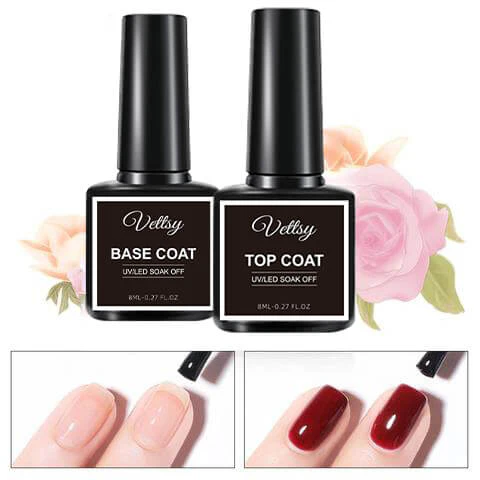
Neglecting to use a base coat can lead to chipped polish and premature wear, significantly diminishing the lifespan of your manicure. Furthermore, skipping this step can compromise the health of your nails, exposing them to potential damage from pigments in nail polishes. Therefore, incorporating a base coat into your manicure routine is paramount for both aesthetic and health reasons.
On the other hand, the application of a top coat is equally significant. It seals in the color and adds a shine that can enhance the overall appearance of your nails. A top coat helps prevent chipping, ensuring that your manicure looks fresh for an extended period. It also provides a protective layer that guards against everyday wear and tear, moisture, and UV rays that can lead to fading.
To effectively utilize base and top coats, apply a thin, even layer and allow proper drying time between coats. It’s also beneficial to refresh the top coat every few days to maintain shine and protect against chipping. By adhering to these practices, you can significantly improve the durability of your manicure and maintain healthy nails.
5: Overdoing Nail Art
Nail art has become a popular form of self-expression, allowing individuals to showcase their creativity and style. However, for beginners, overdoing nail art can lead to a host of issues that may ultimately compromise nail health. While intricate designs can be visually appealing, they often require excessive products, potentially damaging the natural nail underneath. Therefore, it is crucial to strike a balance between artistic expression and the well-being of your nails.
One common pitfall for beginners is the temptation to use multiple layers of polish, topcoats, and decorations. This can weigh down the nail and hinder its ability to breathe, resulting in weakened nails that may split or peel. Furthermore, complex designs that demand precision and intricate detail can lead to frustration and a higher risk of mistakes, which may encourage drastic corrections that further damage the nail bed. Therefore, simplicity is key for beginners.
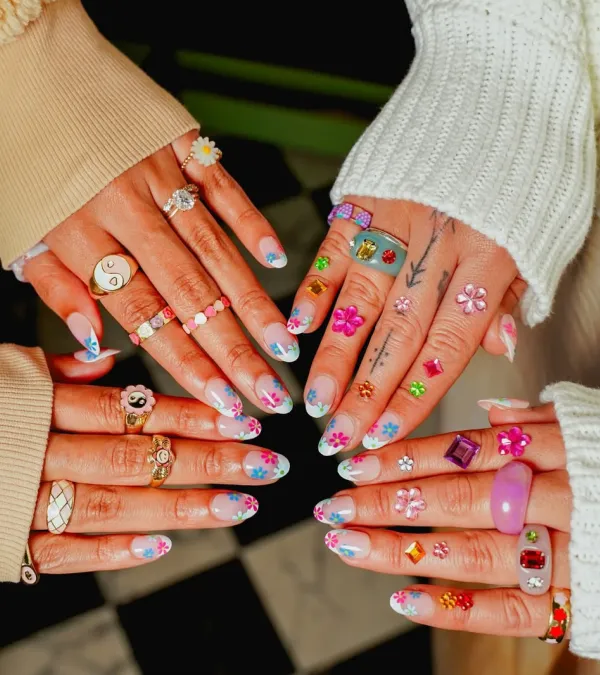
To mitigate these risks, it is advisable to start with basic designs that require fewer products and techniques. Simple patterns, such as polka dots or stripes, not only allow for a creative outlet but are also manageable and less likely to lead to errors. As confidence and skill level increase, individuals can gradually experiment with more complex designs and additional embellishments.
Additionally, adopting a minimalist approach can also lead to healthier nails. Emphasizing care, such as regular moisturizing and usingquality base coats, will ensure that nails remain strong and resilient even as artistic endeavors evolve. When starting your nail art journey, remember that less can often be more, allowing for creativity without sacrificing nail integrity.
6: Ignoring Nail Health
Many beginners often overlook the significance of nail health in their pursuit of a perfect manicure. This oversight can lead to a multitude of problems, such as brittle nails that chip easily, dryness, and even painful breakage. The condition of one’s nails is not merely the result of topical treatments but is significantly influenced by overall health, diet, and hydration.
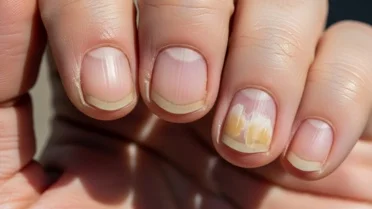
One common misconception is that nails are just inert structures, but in reality, they require proper care and nutrients to remain strong and healthy. A diet lacking in essential vitamins and minerals can lead to weakened nail growth. Key nutrients that support nail strength include biotin, vitamin E, and protein-rich foods. Incorporating foods such as nuts, fish, avocados, and leafy greens into your meals can ensure your nails receive the nourishment they need.
Hydration plays an equally vital role in maintaining nail health. Dehydrated nails can become brittle and more prone to splitting. Ensure you are drinking sufficient water throughout the day, and consider applying a quality cuticle oil to maintain moisture in both the nails and surrounding skin. Regularly moisturizing your hands and nails can also combat dryness, particularly during colder months or in dry environments.
Moreover, neglecting to protect your nails during household chores, or exposure to harsh chemicals can exacerbate damage. Wearing gloves while cleaning or using strong products can safeguard your nails from further harm.
Ultimately, prioritizing nail health through a balanced diet, proper hydration, and protective measures can greatly enhance the longevity and appearance of manicures. By adopting these practices, beginners can avoid the common pitfalls associated with neglecting nail health and achieve beautiful, strong nails that serve as a foundation for any manicure.
7: Improper Nail Drying Techniques
A common oversight among beginners in nail care is improper nail drying techniques. Many individuals, eager to complete their manicure, often overlook the importance of allowing sufficient time for their nails to dry. This impatience can lead to smudged polish, which negates the effort put into achieving a flawless finish. Finding the right balance between speed and quality is critical in any manicure routine.
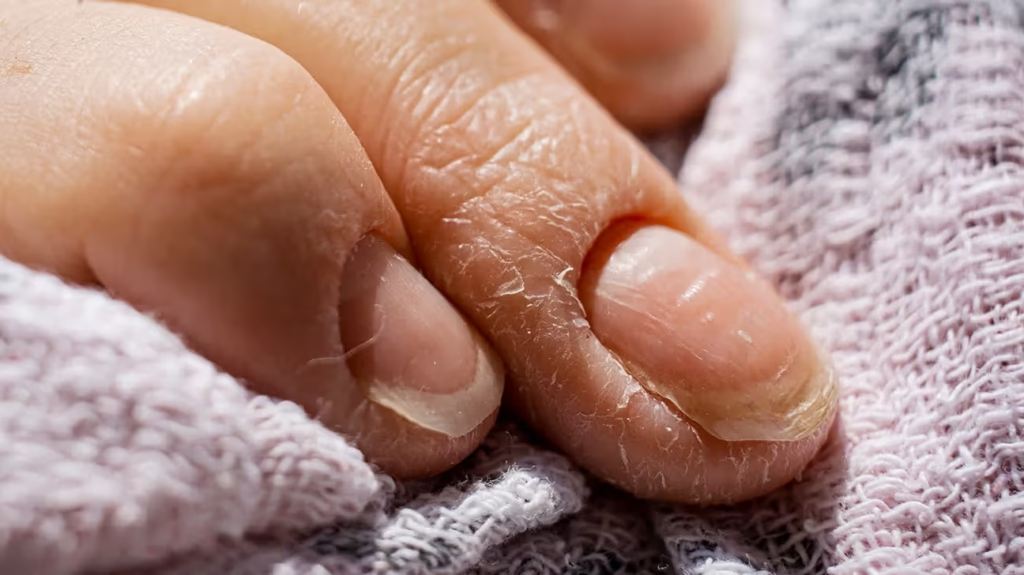
The drying process for nail polish is integral for achieving a long-lasting look. After applying the polish, it is advisable to wait a few minutes before moving on to subsequent layers or even engaging in daily activities. The notion that nails are instantly dry once they feel touchable is misleading. In reality, while the surface may seem dry, the layers beneath may still be susceptible to smudging.
To facilitate more efficient and effective drying, utilizing quick-dry products can be highly beneficial. Quick-dry topcoats or drops can significantly reduce drying time without compromising the integrity of the polish. It is important, however, to choose products that are specifically designed to work with your nail polish brand to prevent any adverse reactions that could damage the finish or hinder durability.
Moreover, maintaining a controlled environment can enhance the drying process. For instance, ensuring that the room temperature is adequately warm, as opposed to cool or humid, can affect how well the polish sets. Additionally, avoiding drafts or direct airflow from fans or air conditioning during drying can significantly improve the outcome.
By recognizing the importance of proper nail drying techniques and implementing effective strategies, beginners can avoid the disappointment of smudged nails and enjoy a more polished and enduring manicure experience.
Conclusion: Building a Better Manicure Routine
In the pursuit of achieving perfectly manicured nails, beginners often encounter common mistakes that can affect both the appearance and health of their nails. By acknowledging these errors and understanding how to avoid them, one can develop a more refined manicure routine.
One of the key takeaways is the importance of preparation. Taking the time to properly prepare your nails before applying any polish can significantly enhance the overall result. This includes ensuring that nails are clean and dry and, when necessary, using a base coat to protect the nail surface. Such practices not only improve aesthetics but also contribute to stronger, healthier nails.
Another crucial aspect is the selection and application of nail products. Beginners are advised to choose quality nail polishes and tools to achieve the best finish. Overloading nails with excessive polish is a mistake often made, leading to uneven application and longer drying times. By being mindful of the thickness of the polish application, one can avoid unsightly smudges and chips that typically occur.
Moreover, patience plays a significant role when it comes to the drying process. Allowing sufficient drying time is essential, as rushing can lead to damage that compromises the entire manicure effort. Incorporating regular breaks between polish applications allows for both the natural nail to breathe and for the polish to set effectively.
Finally, a well-rounded manicure routine includes regular maintenance, such as moisturizing cuticles and trimming nails. By prioritizing care and education in nail treatments, beginners can transform their approach to manicures. Achieving salon-worthy nails at home is indeed possible with the right knowledge and practices.
Discover more from SavesmartShop
Subscribe to get the latest posts sent to your email.