Physical Address
304 North Cardinal St.
Dorchester Center, MA 02124
Physical Address
304 North Cardinal St.
Dorchester Center, MA 02124

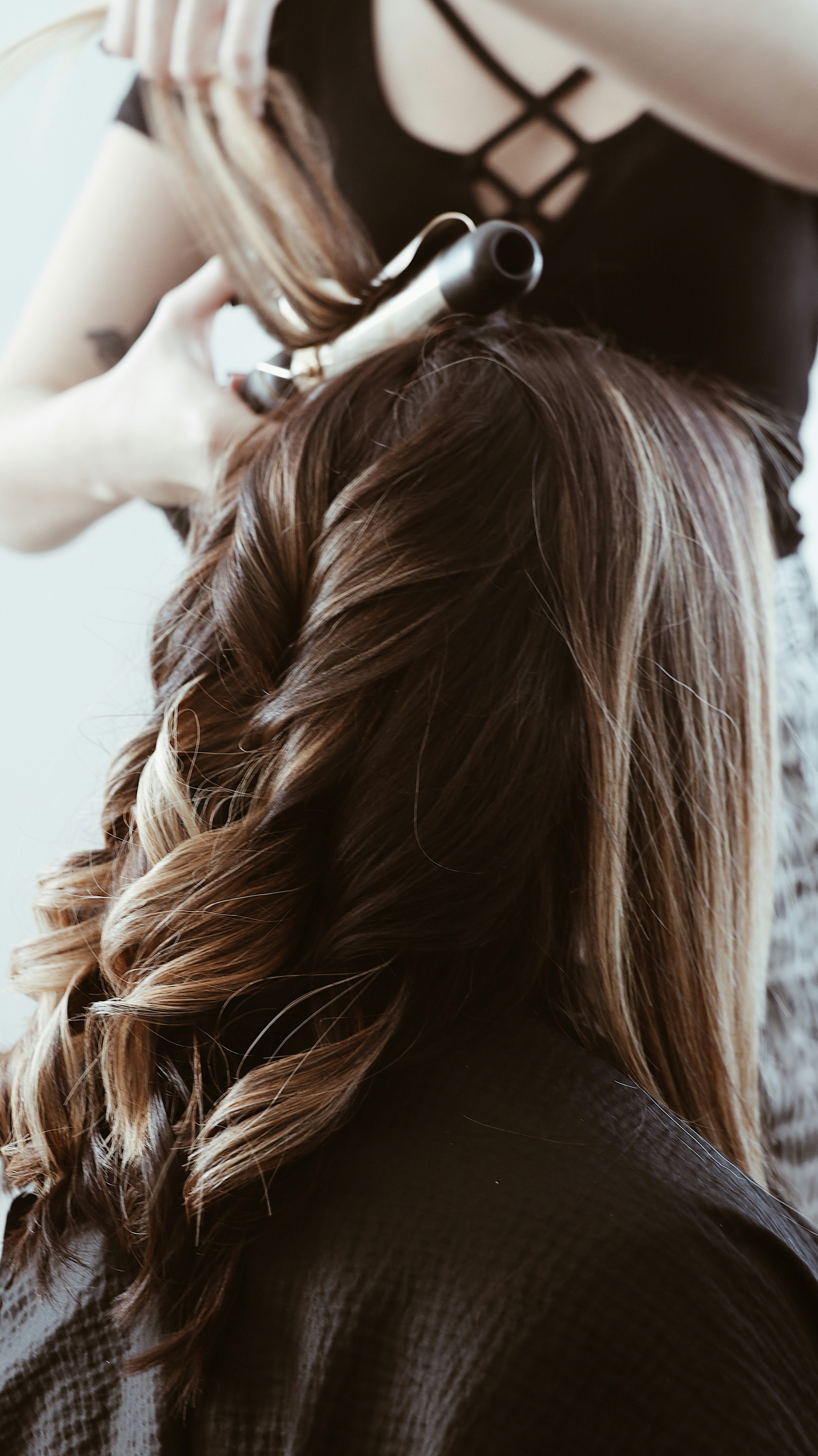
Hair styling plays a crucial role in personal appearance, often serving as a fundamental aspect of self-expression and grooming. For beginners, understanding the basics of hair styling is essential, as it empowers individuals to enhance their looks effortlessly. Mastering simple techniques can maximize one’s potential by allowing them to create versatile hairstyles for various occasions, from casual outings to formal events. As one develops their hair styling skills, they may find that the confidence gained from a well-styled appearance can have a significant impact on their overall self-esteem.
In today’s society, a polished appearance is often associated with professionalism and attention to detail. Thus, acquiring a foundational knowledge of hair styling can be transformative. With the right techniques, even those without specialized training can recreate salon-quality looks from the comfort of their own homes. The beauty of hair styling lies in its accessibility; basic tools, such as brushes, hairdryers, and styling products, are widely available, making it feasible for anyone to experiment and find their style.
Regardless of hair type or texture, there are simple, effective strategies that can be employed to achieve desirable results. This guide is intended to equip beginners with fundamental insights and practical techniques to simplify the hair styling process. Whether the goal is to add volume, create waves, or achieve sleekness, understanding these techniques can pave the way for effortless looks that highlight individual beauty.
Through this blog post, readers will discover not only how to style their hair effectively but also how to embrace their uniqueness while incorporating styling practices seamlessly into their daily routines. Mastery of hair styling can lead to a deeper appreciation of one’s personal style and the joy of experimenting with new looks.
For anyone embarking on their hair styling journey, having the right tools is imperative to achieve desired looks efficiently and effectively. A well-equipped hair styling arsenal is fundamental for beginners who may feel overwhelmed by the diverse options available. Below is a guide to essential hair tools that will set the stage for styling success.
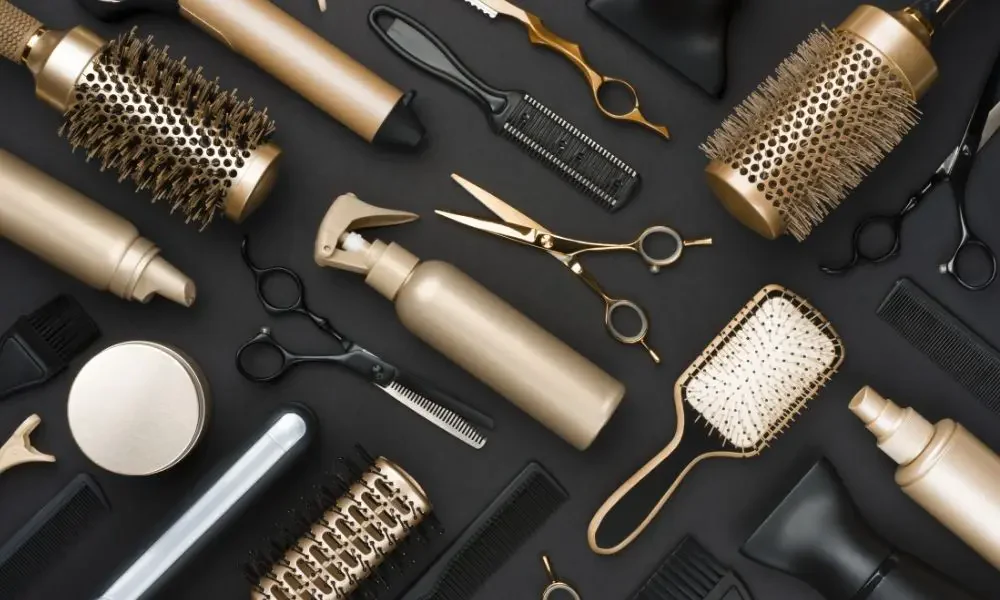
Firstly, a variety of hairbrushes and combs is vital. A paddle brush is indispensable for detangling and smoothing hair, while a round brush is perfect for creating volume and curls. Additionally, a fine-toothed comb aids in precise styling and sectioning, which is crucial when executing more intricate hairstyles. Each brush and comb serves unique functions and can greatly influence the styling outcome.
Next, a reliable hair dryer is essential for drying and styling hair efficiently. Many modern hair dryers come with multiple heat and speed settings, allowing for versatility in styling preferences. It is also worth investing in a diffuser attachment, which can enhance natural curls and reduce frizz. Furthermore, ceramic straighteners and curling irons are invaluable in achieving straight and wavy hairstyles, respectively. These tools distribute heat evenly, minimizing damage to the hair.
In addition to these tools, styling products play a key role in achieving an effortless look. Hair sprays, gels, and mousses can provide hold and texture, shaping the hair as desired. It is important for beginners to understand how to utilize these products effectively to enhance their styling skills.
With the right tools at hand, beginners can explore a myriad of hairstyles with confidence. Each item serves a distinct purpose and, when combined appropriately, lays the foundation for mastering various hair styling techniques. By investing in quality hair tools, beginners can achieve stunning looks effortlessly.
Recognizing your hair type is fundamental to achieving effortless styling results. Hair can generally be categorized into four main types: straight, wavy, curly, and coily. Each type has its unique characteristics that dictate how it responds to various styling techniques and products. Straight hair tends to lie flat and lacks volume, while wavy hair often shows a gentle S-shape, and curly hair forms defined, spiral patterns. Coily hair, on the other hand, is tightly curled with a voluminous appearance, often requiring different care strategies to maintain its health.
To effectively identify your hair type, it is advisable to observe it in its natural state. After washing, allow your hair to air dry without the use of styling products. This approach provides a clearer view of your hair’s innate texture and behavior. Additionally, consider the thickness of your strands, which can be categorized as fine, medium, or thick. Fine hair tends to be lightweight and delicate, medium hair has a balance of strength and softness, while thick hair appears voluminous and may require more moisture and care.
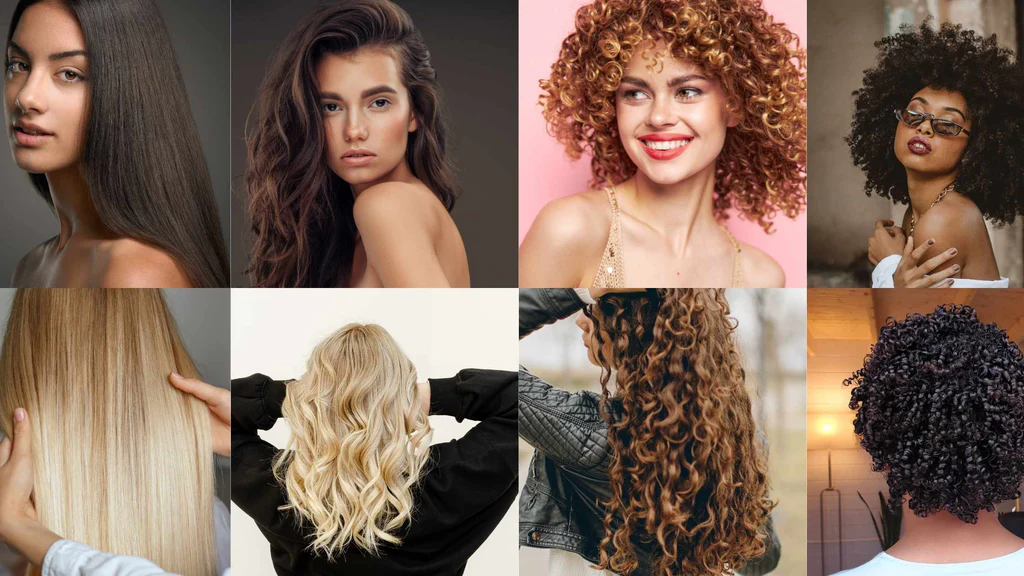
Understanding both your hair type and texture is crucial for selecting the appropriate hair products and styling methods. For instance, straight hair might benefit from lightweight serums, while curly hair often requires heavier creams or gels to define waves and control frizz. By recognizing your unique hair needs, you can tailor your hair care regime to enhance its natural beauty while achieving the styles you desire. Developing this knowledge base will empower you to make informed decisions when it comes to versatile styling techniques that suit your specific hair type.
A strong foundation in hair care is crucial for achieving effortless styling results. The journey to healthy hair begins with understanding the right washing and conditioning routines. It is essential to choose a shampoo that suits your hair type, as this will help maintain its natural oils while effectively cleaning the scalp. For those with dry or damaged hair, a hydrating and nourishing shampoo is recommended. Ideally, wash your hair every two to four days, depending on your hair’s oiliness and texture, to prevent stripping it of essential moisture.
Conditioning plays a vital role in hair maintenance. It is advisable to use a conditioner that complements your shampoo and addresses your specific hair needs. A good rule of thumb is to apply conditioner primarily to the ends of your hair, where it tends to be drier and more prone to damage. Incorporating a deep conditioning treatment or hair mask weekly can help rejuvenate and restore your locks, providing a basis for better styling outcomes.
Regular trims are another key practice for maintaining healthy hair. Scheduling trims every six to eight weeks can prevent split ends and breakage, ensuring that your hair remains vibrant and easier to style. This routine not only promotes hair health but also enhances your overall look by allowing you to readily experiment with various hairstyles.
Moreover, protecting your hair from heat damage is critical, particularly if you frequently use styling tools. Always apply a thermal protectant spray before using heat, and consider using tools with adjustable temperature settings. By implementing these basic hair care tips, beginners can establish a solid routine that promotes healthy hair, facilitating effortless styling for various occasions.
For individuals venturing into the realm of hair styling, mastering a few simple everyday hairstyles can significantly enhance their confidence and overall appearance. These hairstyles are not only easy to execute but also versatile enough to suit various occasions. Here, we present three popular hairstyles: the classic ponytail, a basic braid, and the casual messy bun, complete with step-by-step instructions for ease of application.
The ponytail is perhaps the easiest hairstyle to achieve and works well for both casual and formal settings. To create a classic ponytail, begin by brushing your hair to eliminate any tangles. Gather your hair at the desired height—either high on the crown or low at the nape of your neck—and secure it with an elastic band. For a polished look, you can wrap a small section of hair around the base of the ponytail to conceal the elastic, securing it with a bobby pin.
Next, the basic braid offers a chic yet uncomplicated option for beginners. To start, section your hair into three equal parts. Cross the right section over the middle one, followed by the left section crossing over the new middle section. Continue this pattern until you reach the ends of your hair, then secure it with a hair tie. This braid can be worn alone or integrated into other hairstyles, adding a touch of flair.
Finally, the messy bun combines ease with a relaxed aesthetic. Begin by tying your hair into a high ponytail and securing it with an elastic band. Twist the ponytail around itself to form a bun and secure it with additional hair ties or bobby pins. Allow a few strands to fall out for that effortlessly chic look. Each of these hairstyles provides a foundation for beginners, empowering them to explore further techniques in hair styling while ensuring they always look put together.
Heat styling can be an effective way to achieve a variety of hair looks, from sleek straight locks to voluminous curls. For beginners, understanding the basics of heat styling is essential to create beautiful hairstyles while minimizing potential damage to the hair. One of the most critical aspects of heat styling is the safe use of tools such as straighteners and curling irons.
Before using any heat styling tool, it is imperative to start with clean, dry hair. This preparation ensures the best results and reduces the risk of damage. Additionally, it is advised to use a heat protectant product. These specialized products form a barrier on your hair, helping to shield it from the high temperatures generated by styling tools. Always apply the heat protectant evenly throughout your hair, focusing on the ends, which are more prone to damage.
When using a flat iron or straightener, divide your hair into manageable sections. This practice allows for a more controlled application of heat, resulting in smoother and straighter hair. Clamp the iron at the roots and glide it down the length of the hair, ensuring you do not hold it in one spot too long, as this could lead to excessive heat exposure.
For curls, start with a curling iron set to an appropriate temperature for your hair type. Fine hair typically requires lower heat settings, while thicker hair may benefit from higher settings. Wrap sections of hair around the barrel, and keep it there for a few seconds before releasing. The size of the curl will depend on the thickness of the hair section wrapped around the iron, allowing for versatile styling options.
To maintain the health of your hair, avoid using heat tools daily. Instead, embrace a mix of heat and no-heat styling techniques. By following these guidelines, beginners can confidently explore heat styling while minimizing the risks associated with it.
Creating volume and texture in hair is essential for achieving a full and dynamic look. To begin, one effective technique is teasing. This method involves gently combing the hair at the roots in sections to create additional lift. Start by sectioning the hair and combing downward about two to three inches from the scalp. Be sure to keep the strokes light and avoid excessive force to maintain the integrity of the hair. Following up with a light hairspray can help hold the volume in place while keeping a natural appearance.
In addition to teasing, the use of volumizing products can significantly enhance both volume and texture. Volumizing mousses and sprays are designed to increase hair fullness. Applying these products to damp hair can provide a foundation for styles that require body. For best results, scrunch the product into the hair and style as desired. Once dry, a texturizing spray can further enhance the look, providing a beachy, tousled finish that is both chic and effortless.
Another popular method to achieve a textured hairstyle is by creating beach waves. This can be accomplished with a curling wand or a flat iron. Begin by dividing hair into sections. Wrap each section around the barrel, leaving the ends uncurled for a more informal look. Alternatively, the flat iron can be used by twisting it as you pull the hair through; this technique creates a more natural wave. For added hold, finish with a light mist of sea salt spray to give that relaxed beachy vibe.
By experimenting with these techniques—teasing, volumizing products, and beach waves—beginners can easily achieve voluminous, textured hairstyles that look effortlessly chic. These methods provide versatility, allowing for various styles according to personal preference and occasion.
Hair accessories serve as an excellent way to enhance your overall style while allowing for creativity in your looks. With numerous options available, such as clips, headbands, and scarves, these adornments can seamlessly integrate into various hairstyles, resulting in polished and unique appearances.
Clips are among the most versatile hair accessories, available in various shapes, sizes, and designs. Basic bobby pins can hold casual styles in place, while decorative clips can become statement pieces, adding personality to hairstyles. They are particularly effective for securing loose sections of hair or creating intricate updos. By positioning the clips strategically, you can elevate even the simplest hairstyle, transforming it into something visually striking.
Headbands, on the other hand, offer both style and functionality. They come in various materials, including fabric, metal, and plastic, giving you the liberty to choose one that meets your outfit and personality. Headbands can be worn with hair down for a bohemian look or with an updo for a more sophisticated vibe. Wider bands can also serve to keep flyaways at bay, thus refining your overall appearance while maintaining comfort.
Scarves provide another avenue for personalization, allowing you to incorporate color and texture into your hairstyle. A well-placed scarf can be tied around a ponytail, woven into a braid, or used to add flair to an updo. This accessory is particularly popular in summer and spring, where lightweight fabrics can create a refreshing aesthetic. By matching the scarf with your outfit or hairstyle, you achieve a coherent and stylish ensemble.
Incorporating hair accessories into your styling routine can significantly enhance your look. By experimenting with various types and placements, you can create endless possibilities and develop your unique styling identity.
When venturing into the world of hair styling, beginners often face a variety of challenges that can hinder their efforts. The most common issues include frizz, lack of hold, and flatness, each presenting unique setbacks that can be frustrating. However, understanding these problems and applying effective solutions can greatly enhance one’s styling outcomes.
One prevalent issue is frizz, which can be exacerbated by humidity and dryness. To combat frizz, it is essential to use products specifically designed for frizz control, such as anti-frizz serums or leave-in conditioners. Using a hair oil can also help in smoothing out the hair cuticle, creating a sleeker look. Moreover, opting for a microfiber towel instead of a regular bath towel can minimize frizz during drying, as it reduces friction on the hair’s surface.
Lack of hold is another challenge that beginners often encounter, particularly when trying to maintain styles throughout the day. Choosing the right styling products is crucial; lightweight gels and mousses can provide hold without weighing the hair down. Utilizing a hairspray with a strong hold after styling can also ensure that the hair stays in place. Additionally, applying product when hair is slightly damp rather than dry can enhance the effectiveness of hold.
Lastly, flatness can make hairstyles appear lifeless. To address this, adequate volume-boosting products, such as volumizing sprays or powders, should be applied at the roots before styling. Using the right technique, such as blow-drying the hair upside down or using a round brush to lift at the roots, can also provide significant lift. Introducing texture with curling wands or flat irons can further enhance volume, transforming flat hair into a more dynamic style.
As we wrap up our exploration of hair styling techniques, it is essential to reflect on the key points that have been discussed throughout this guide. Styling hair may initially seem daunting for beginners, but with the right techniques and a bit of practice, anyone can achieve effortless and appealing looks. We have covered various methods, from basic brushing and drying techniques to the application of heat tools and products, all aimed at enhancing the natural beauty of your hair.
One of the most significant takeaways is the importance of practice. Hair styling is inherently a skill that evolves with time and experience. Each attempt, whether successful or not, contributes to your growing expertise. Therefore, it is vital to be patient with yourself during this journey. Experimenting with different styles and processes allows you to discover what works best for your hair type and personal preferences. Embrace these moments as part of your learning experience.
Additionally, enjoyment plays a critical role in your hair styling adventure. Approach each session with a creative mindset, focusing on the fun aspect rather than the pressure of perfection. Whether you’re styling your hair for a casual day out or a special event, the process should feel rewarding and engaging. The more you experiment, the more comfortable you will become, leading to greater confidence in your abilities. Remember, the ultimate goal of hair styling is to express yourself and enjoy the transformation your hair undergoes.
In conclusion, as a beginner, embrace the journey of hair styling with an open heart and a willingness to learn. Every style you try brings you closer to mastering the art of hair, ultimately resulting in a beautiful and effortless look that reflects your unique personality.
Subscribe to get the latest posts sent to your email.
